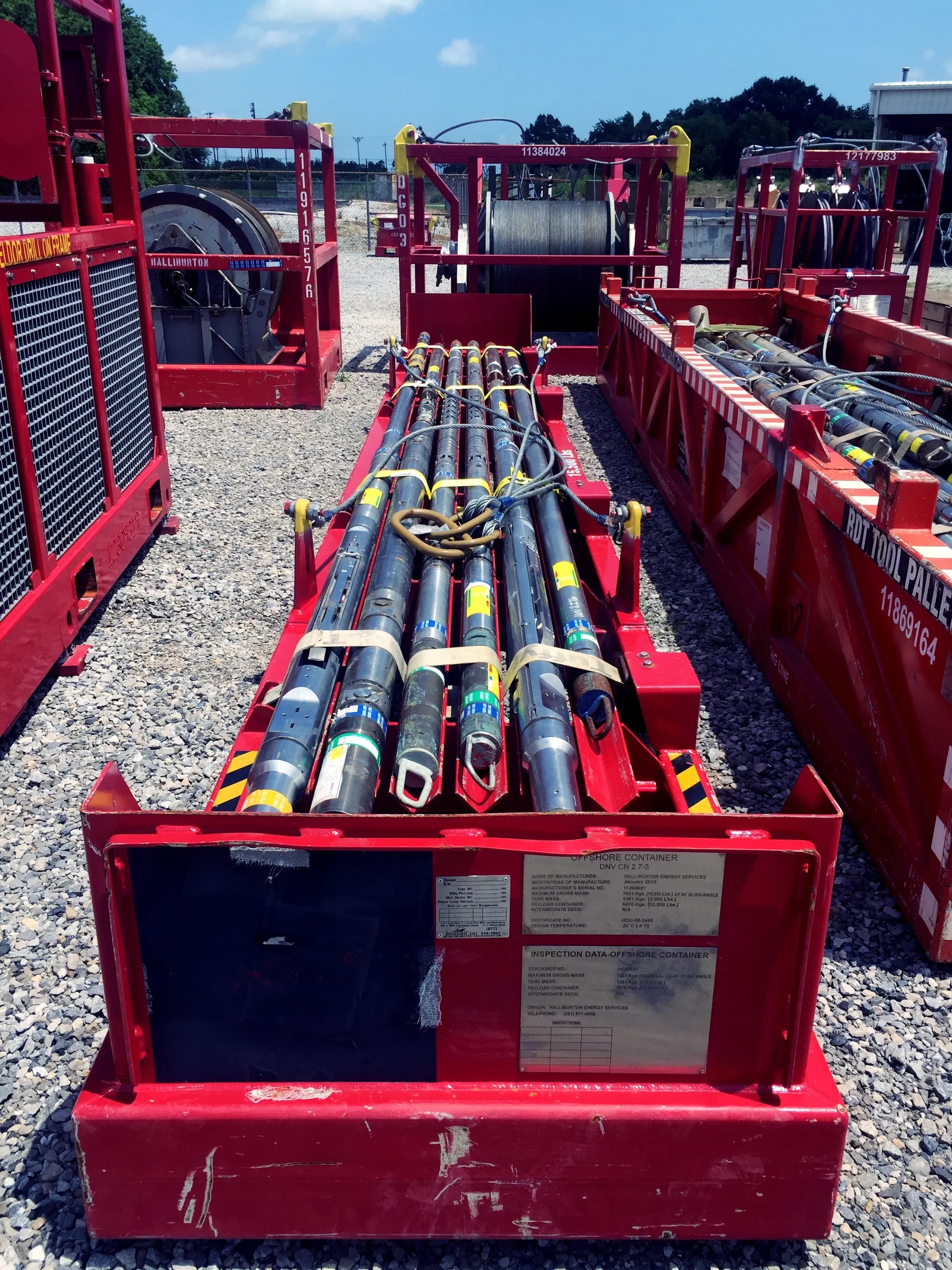
Where logging problems are usually blamed
That framing is understandable, but it obscures where many of the real constraints were introduced. In practice, a large share of logging problems are already structurally embedded before the service company ever arrives on location. Not because anyone acted recklessly, and not because conditions were exceptional, but because early technical and commercial decisions quietly shaped what could realistically be achieved later, often without being challenged in enough detail at the time.
How early decisions quietly narrow the outcome
The contract is usually the first place where this happens. Scope of Work documents tend to look comprehensive, yet they frequently rely on broad language that leaves key technical expectations open to interpretation. Deliverables are described in general terms, acceptance criteria are implied rather than stated, and responsibilities are distributed in a way that works well as long as everything behaves as planned. When it doesn’t, each party remains technically compliant while the operator is left with data that are difficult to use with confidence. This is not a vendor execution issue. It is a consequence of how expectations were translated into contractual language. Once the job is underway, the service company is obliged to deliver what is written, not what was assumed during internal discussions months earlier. Discovering that mismatch during operations is usually too late to correct it meaningfully. Pre-qualification is another stage where risk is often underestimated. On paper, most bidders meet the basic requirements. What rarely gets enough scrutiny is how those requirements are met in practice, particularly at the margins. Differences in personnel depth, maintenance discipline, regional support, and failure-handling culture tend to be invisible until the operation is already exposed to them. A technical audit at this stage is less about passing or failing a vendor than about understanding where performance limits lie and how much buffer really exists when things start to drift. When pre-qualification is treated as an administrative step rather than a technical filter, those limits only become visible after mobilisation, at a point when changing course carries real cost. Technical planning and preparation amplify these early choices. Data acquisition programmes are often assembled efficiently, but not always critically. Run combinations may be optimised for time on paper while leaving little tolerance for variability in execution. Contingencies are listed, but not fully integrated into the operational logic. Priorities are agreed in principle, but not always translated into clear decision rules for when compromises become unavoidable.
Planning, readiness, and the illusion of flexibility
This is precisely what planning reviews and Logging Well on Paper sessions are meant to surface. When those discussions are compressed or delegated entirely to the service company, the programme still runs, but it does so with fewer degrees of freedom than most people realise. Decisions that should have been resolved calmly in an office end up being made under time pressure at the rig, where the cost of every adjustment is higher. Equipment-related issues often follow the same pattern. Failures are commonly attributed to bad luck or harsh conditions, yet many of them can be traced back to marginal readiness that was visible earlier. Incomplete system integration testing, optimistic assumptions about tool combinations, unresolved maintenance questions, or rushed loadouts rarely stop an operation outright, but they reduce its resilience. Discovering those weaknesses at the wellsite does not create new problems; it simply exposes ones that were already present. Once logging starts, the ability to recover from these limitations is narrow. The operation shifts from design to execution, and attention focuses on keeping things moving safely and efficiently.
Why the wellsite exposes rather than creates the problem
At this point, independent wellsite QC becomes less about authority and more about bandwidth. Someone needs to be watching whether what is happening downhole still aligns with what was planned, whether small deviations are accumulating, and whether the data being acquired will actually support the objectives that justified the operation in the first place. When no dedicated QC is present, those responsibilities tend to fall to the wellsite geologist by default, alongside their existing workload. The job still gets done, but subtle issues are easier to miss and harder to reconstruct later, particularly when decisions need to be explained or defended after the fact. Post-operation work often brings these early choices back into focus. Invoice reviews, failure investigations, and service delivery assessments regularly reveal that cost and risk did not originate at the moment of failure, but much earlier, in how scope, responsibilities, and compensation mechanisms were defined. By then, the only remaining option is to argue about reasonableness rather than prevent the exposure in the first place. What tends to be labelled as a logging failure is therefore often the cumulative result of decisions that were individually reasonable, rarely challenged, and never fully stress-tested together. The wellsite is where the outcome becomes visible, but it is rarely where it was decided. Good logging outcomes are usually less about heroics during operations and more about disciplined, sometimes uncomfortable work done early, when asking detailed questions still costs little and changing direction is still possible.