Blog

Beyond the Reel: Why Your Wireline Safety Starts Long Before the Rig-Up

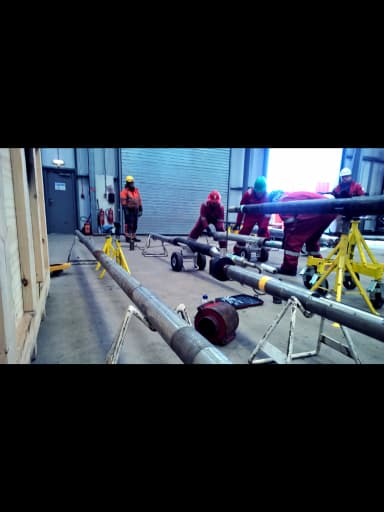
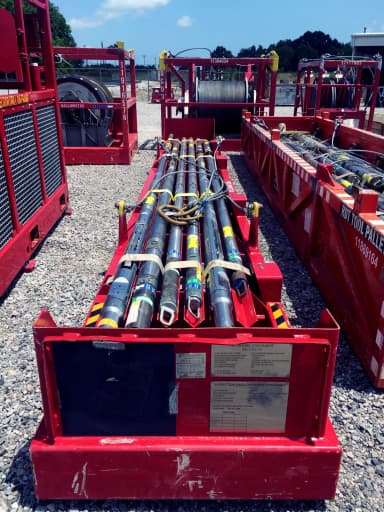
While wireline operations are often seen as the surgical, "cleaner" side of well intervention, the margin for error is razor-thin. When a 0.108-inch slickline or a multi-conductor cable is under thousands of pounds of tension, the difference between a successful log and a catastrophic incident often comes down to the planning done weeks before the crew arrives on-site.
2026-01-27 10:30

Good Logs Don’t Start at TD: Why Most Logging Failures Happen Months in Advance

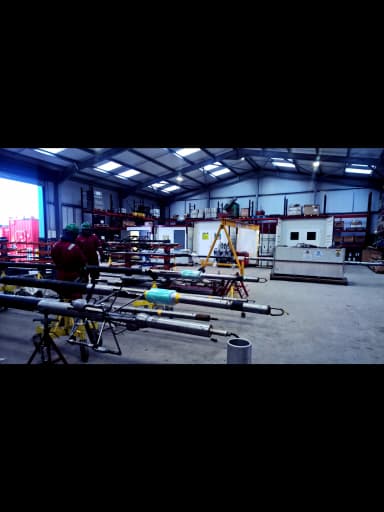
Wireline problems rarely begin on the day the tools arrive at the rig; they usually start much earlier, during planning, vendor engagement, and equipment preparation. The quality of the final dataset often depends less on what happens at TD and more on whether the operation was designed, tested, and resourced properly months in advance.

2026-01-25 09:45

Most Logging Failures Don’t Happen at the Wellsite

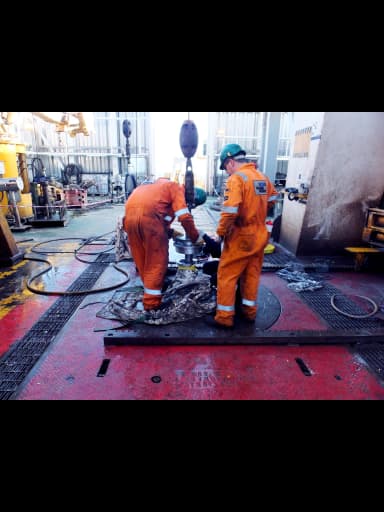
When a wireline job underdelivers, the discussion almost always gravitates toward the wellsite. Attention settles on the run where things went sideways, the tool that misbehaved, the crew on shift at the time, or the operational decision that, in hindsight, should perhaps have been different.

2026-01-20 13:00

Who’s Actually in Charge During Logging? (Hint: If Nobody Is, You’re Paying Twice)

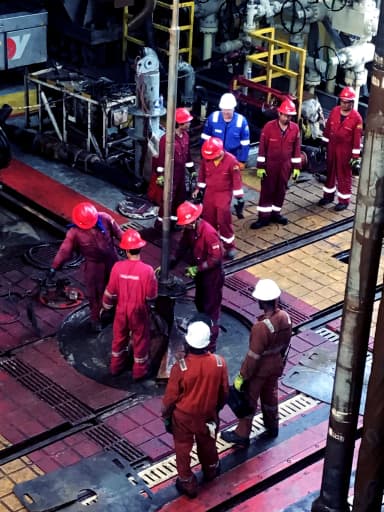
Wireline logging is one of those rig operations where several teams are involved at once, and the boundaries between drilling execution and subsurface objectives naturally start to overlap. In most cases the work gets done smoothly, but when conditions drift or priorities collide, it is not always obvious who is responsible for making the call in real time. This is where having clear roles and dedicated technical oversight can make the difference between a clean acquisition and a run that becomes a discussion weeks later.

2026-01-15 08:00