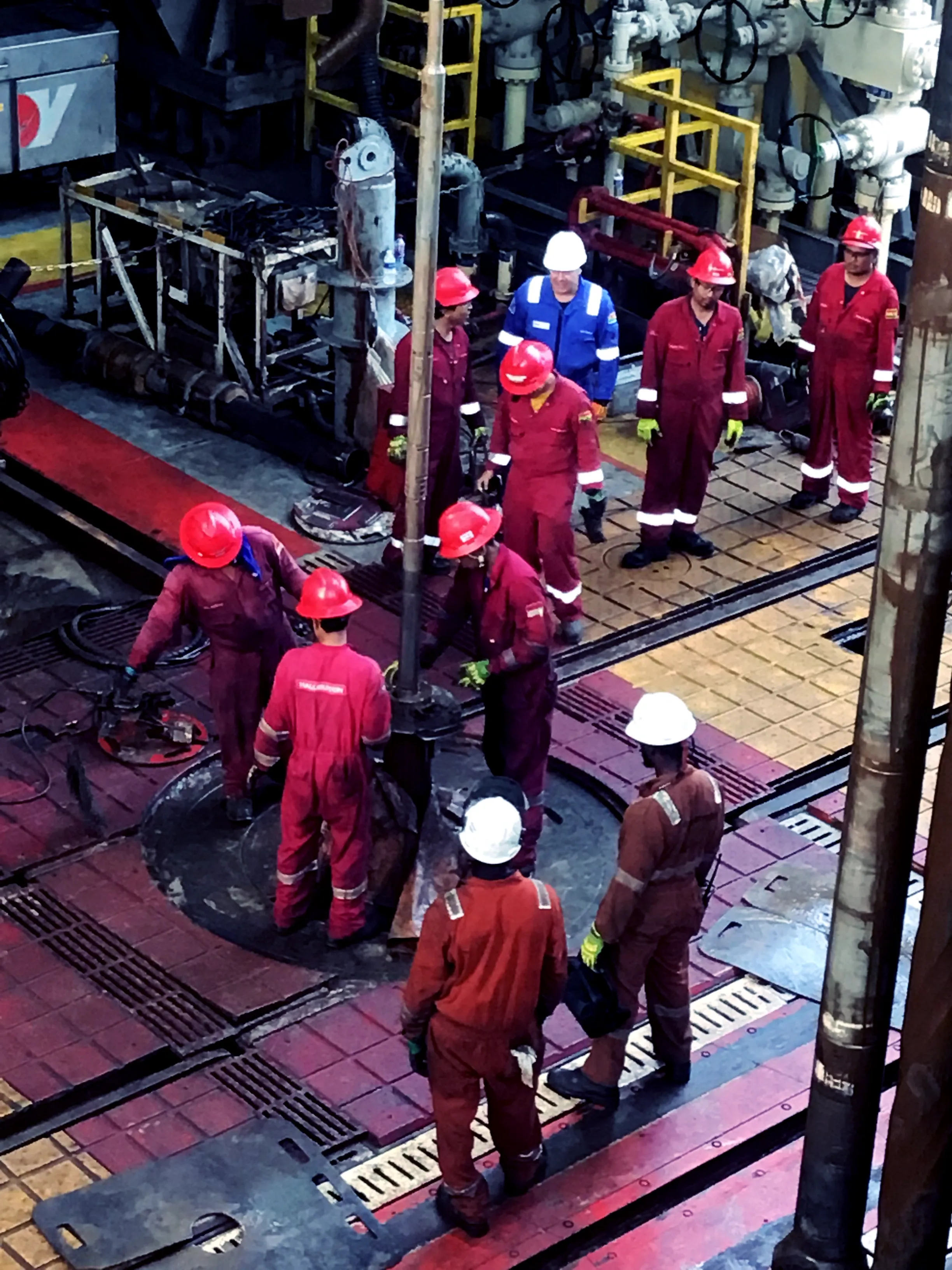
Wireline logging is often treated as something that happens near the end of drilling, as a discrete service step before the well moves on to the next phase. In reality, the outcome of a logging campaign is shaped long before the first tool is rigged up, often in decisions made weeks or months earlier when the operation still exists only as a plan.
Most costly logging failures are not the result of one dramatic event at the wellsite. They are usually the predictable consequence of preparation that was incomplete, assumptions that were not tested, or readiness that was taken for granted. By the time the tools are in the hole, most of the flexibility is already gone.
Logging success is designed early, not rescued late
The earliest stage is not operational, but strategic. The first question is whether the acquisition programme truly matches the well objectives and the subsurface decisions that will depend on the data.
Too often, logging programmes are built from templates, inherited from previous wells, or driven by what is easily available rather than what is technically required. Tool selections, run combinations, and contingency plans need to be deliberate, because wireline is one of the few moments in the well lifecycle where the operator has a narrow window to capture information that cannot be recreated later.
This is also where the relationship between operator and vendor is set. Tendering and early technical engagement are not administrative exercises; they define expectations, deliverables, and what will be considered acceptable performance. When these points are vague, problems later become arguments rather than fixes.
A programme that looks reasonable on paper can still fail in execution if priorities are not explicit. What gets repeated if time is lost? What is dropped first if conditions deteriorate? What data are critical, and what data are simply “nice to have”? If those decisions are left until the wellsite, they will be made under pressure rather than with clarity.
Equipment readiness is where most hidden failures originate
Many logging issues that appear operational are actually readiness issues.
Tool compatibility, equipment condition, calibration status, sensor configuration, auxiliary components, and system integration are all decided long before the job begins. When those elements are not verified properly, the wellsite becomes the first time problems reveal themselves.
Missing or outdated certifications, incomplete maintenance records, tool combinations that have not been tested together, or borderline equipment substituted late in the mobilisation cycle rarely stop a job outright. Instead, they create fragility: the operation can proceed, but with reduced tolerance for anything unexpected.
System Integration Testing is one of the most undervalued steps in formation evaluation preparation. It is the moment where theoretical toolstrings become actual working systems, and where hidden incompatibilities and configuration issues can still be corrected without rig time ticking.
Loadout inspections and technical audits are not about mistrust. They are about avoiding the situation where the first real test of the system happens in the well itself, with no practical escape route.
Logistics also plays a larger role than most people admit. Tool availability, spare coverage, mobilisation timelines, regional support depth, and the ability to respond quickly to failures are all part of operational readiness. A logging programme is only as strong as the supply chain behind it, especially in remote or high-tempo campaigns.
Contingencies are not pessimism, they are operational realism
Every wireline operation has contingencies, whether planned or improvised.
The difference is that planned contingencies reduce downtime and uncertainty, while improvised ones increase both. Failure modes are well known in this industry. Conveyance challenges, tool performance drift, unexpected data quality issues, sampling complications, and last-minute programme changes are not rare events. They are routine realities in complex wells.
Preparation should include defined responses, agreed decision pathways, and clear criteria for when to continue, adjust, repeat, or stop. Without this, the wellsite team is forced into real-time negotiation with incomplete information, and small delays quickly turn into major cost exposure.
Independent QA/QC involvement during preparation helps here because it brings operational experience into the planning phase, not just into the execution phase. Issues with equipment state, programme logic, vendor readiness, or unrealistic assumptions are far cheaper to address months in advance than they are at two in the morning on the rig.
Conclusion
Wireline logging is often judged by what happens at TD, but the truth is that good logs are built upstream, through disciplined planning, verified readiness, and realistic contingency thinking. The wellsite is where the operation becomes visible, but the foundation is laid long before the first tool ever reaches the rig floor.
If the preparation is solid, execution tends to be straightforward. If preparation is weak, the operation becomes a sequence of recoveries, explanations, and costs that nobody planned for.
That is why the most effective logging quality assurance does not start at the wellsite. It starts months earlier, when decisions can still be made calmly, deliberately, and with options still on the table.